Hire Skyline Deck Builders Austin for Composite Decking
Patio vs. Deck: Which Outdoor Addition Is the Right Fit for You?
When considering outdoor spaces, the decision between a patio and a deck can be quite challenging. Each option offers unique pros and cons that can significantly affect both functionality and aesthetics. Considerations like intended use, budget constraints, and maintenance requirements have a significant impact on this selection. Grasping these factors can assist homeowners in making well-informed decisions. So which choice is most compatible with your individual needs and desires? The result might be unexpected.
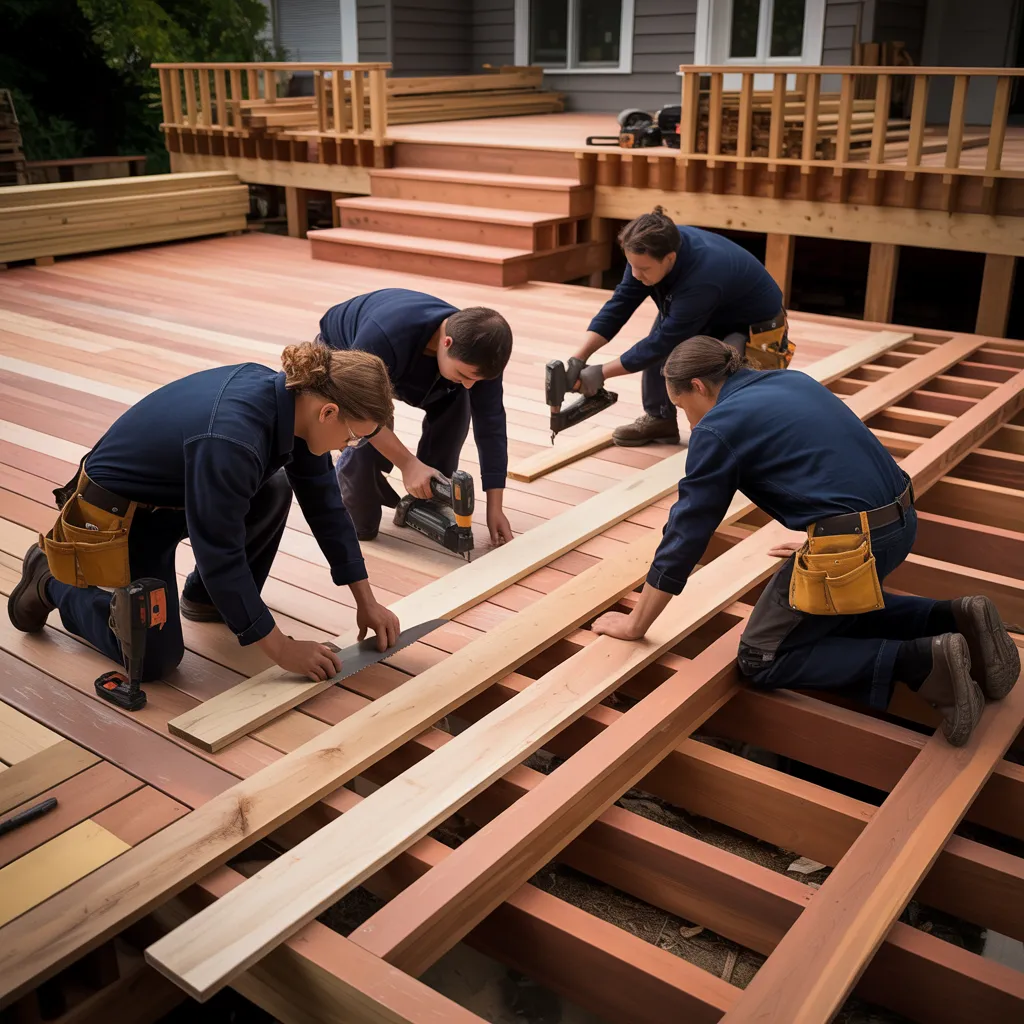
Coming to a Decision: Critical Elements for Your Outdoor Area
When considering the best option for an outdoor space, what aspects deserve careful thought? Property owners need to consider a number of important factors, including the desired function of the outdoor space, financial considerations, and maintenance requirements. Initially, determining the primary purpose of the outdoor area—whether for entertaining, relaxation, or gardening—will substantially impact the final selection. Furthermore, budget constraints play an essential role; decks typically come with higher installation expenses than patios, which can be more expensive due to materials and construction complexity. Beyond that, ongoing care demands must be factored in. Patios are often lower maintenance compared to decks, which may demand regular sealing and staining. In addition, the local climate and terrain can affect the durability and practicality of each option. By carefully considering these elements, property owners can reach a well-considered choice that suits their needs and tastes, ensuring a satisfying outdoor environment for years to come.
Understanding the Basics: How a Patio Differs From a Deck?
Learning the essentials of patios and decks involves recognizing their distinct material choices and design elements. Patios are generally made from concrete, stone, or brick, while decks are most often constructed from wood or composite materials. Moreover, decks are commonly built at an elevated height, providing a distinct visual and practical experience compared to the ground-level nature of patios.
Material Options Overview
The choice of materials plays an essential role in the distinction between patios and decks. Patios are typically built using materials like brick, concrete, or stone, providing long-lasting durability and a solid foundation that blends seamlessly with the landscape. These materials are often chosen for their capability of handling diverse weather conditions and need very little upkeep.
In contrast, decks are typically built from wood or composite materials, which deliver a warmer aesthetic and are lifted off the ground. Classic wood choices, such as cedar or redwood, provide a naturally beautiful appearance but demand regular upkeep to avoid deterioration and decay. Composite materials, while frequently costlier, provide a low-maintenance alternative that resembles natural wood aesthetics. Ultimately, the choice of material significantly impacts the functionality and visual appeal of any given outdoor living space.
Differences in Elevation and Design
Height difference is a primary distinction between patios and decks. Generally, patios are constructed at ground level using materials like stone, concrete, or brick. This integration with the surrounding landscape creates a stable surface for outdoor furniture and various activities. In contrast, decks are often elevated structures made from wood or composite materials, allowing complete article for a view of the yard or surrounding area. This raised positioning can greatly enrich outdoor experiences, most notably on uneven or sloped terrains. Design-wise, patios tend to be more versatile in shape and size, blending seamlessly with gardens, while decks generally follow a more uniform rectangular or square layout, often featuring railings and stairs for accessibility.
Main Reasons to Pick a Patio for Your Exterior Space
While both patios and decks offer unique advantages, many homeowners find that a patio provides a versatile and durable solution for outdoor living. Patios may be built using an assortment of materials, such as concrete, stone, or brick, allowing for customization to match the home's aesthetic. Their subtle elevation and natural blending with the landscape establish a smooth transition between indoor and outdoor areas.
Additionally, patios demand lower maintenance in contrast to decks, which typically demand regular staining or sealing. They are equally less prone to concerns such as warping or splintering, making them a safer option for families with young children or pets. Beyond that, patios are able to support various outdoor features like fire pits, grills, or seating areas, boosting their usability. Overall, for homeowners looking for a long-lasting, adaptable outdoor setting, a patio presents a compelling choice that suits a variety of lifestyles and personal preferences.
Perks of Decks for Outdoor Living
When considering options for outdoor living, decks offer a remarkable charm that countless homeowners enjoy. Raising a space off the ground, decks offer unimpeded views of the surrounding scenery, improving the overall experience of exterior spaces. This elevation also enables enhanced drainage and reduces moisture accumulation, which can be a problem with traditional ground-level patios.
In addition, decks provide diverse design possibilities, embracing various designs and construction options, from traditional wood to modern composite materials, guaranteeing a complement with the property's visual appeal. They additionally provide an excellent space for holding social events, as they can easily support furniture, grills, and other outdoor amenities.
In addition, decks work as transitional areas, naturally bridging interior and exterior spaces. The flexibility to adjust dimensions and form enables homeowners to make the most of their outdoor area. In summary, decks enhance outdoor living experiences, benefiting both practicality and visual appeal.
Patio vs. Deck: Cost Considerations?
Cost considerations play an essential role when deciding between a patio and a deck for exterior living areas. Generally, patios tend to have a lower initial installation cost compared to decks. Patios, commonly built from concrete, stone, or brick, tend to cost less because of readily available materials and straightforward labor demands. In contrast, decks typically require more specialized materials like wood or composite, along with additional structural support, increasing overall expenses.
Furthermore, the expense of ongoing maintenance can fluctuate. Wooden decks often require regular staining or sealing, while concrete patios generally demand less frequent upkeep. Nevertheless, the entire landscape design can influence expenses significantly. Property owners should consider their budget not only for the installation process but also for possible future costs. At the end of the day, recognizing these financial implications can assist in reaching a carefully considered choice that aligns with both budgetary constraints and aesthetic preferences.
Deck vs. Patio: How Do Their Maintenance Needs Compare?
Maintaining a deck typically requires more upkeep than looking after a patio. Decks, especially those made of wood, are susceptible to rot, weathering, and insect damage. Routine sealing and staining are required to safeguard the wood and maximize its longevity. On the other hand, patios, often constructed from durable materials like concrete or stone, need less regular care. Caring for a patio usually entails periodic sweeping and pressure washing to eliminate dirt and debris.
Moreover, decks often require repairs from warped or damaged boards, while patios generally remain intact unless cracked. Periodic care for decks often involves checking for weakened connectors and ensuring adequate water flow to prevent moisture buildup. In general, while each of these outdoor areas demands maintenance, the upkeep requirements of a deck are far more involved and time-consuming compared to what a patio requires, making it essential for homeowners to gauge their readiness before making a decision.
Aesthetic Appeal: Patios vs. Decks for Your Home
When considering overall appearance, both patios and decks offer distinct benefits for property owners. Patios offer a wide array of design versatility with various materials and finishes, while decks tend to stand out in their potential to showcase natural wood and vibrant colors. Exploring these choices allows homeowners make informed decisions that elevate their exterior environments.
Design Adaptability
Design versatility plays an essential role in enhancing the aesthetic appeal of exterior living areas, with both patios and decks providing distinct benefits. Patios, commonly built using stone, brick, or concrete, can seamlessly blend into various landscaping styles, establishing a harmonious appearance. Their flat surfaces allow for a variety of design elements, such as outdoor furniture, fire pits, and planters, giving homeowners the ability to tailor their space to their preferences.
By comparison, wooden decks, often elevated and made from wood or composite materials, offer a different decorative appeal. They help elevate views and establish a sense of spaciousness, perfect for residences near water or elevated landscapes. Both alternatives, as a result, enable creative expression, accommodating various preferences and practical requirements in outdoor design.
Material and Color Choices
Color and material options greatly influence the general visual appeal of decks and patios, both presenting distinct design possibilities. Patios commonly incorporate materials like stone, concrete, or brick, permitting a wide range of textures and finishes. These options can be tailored with colors that range from earthy tones to bold hues, complementing the natural environment. On the other hand, decks are typically made from wood or composite materials, which may be stained or painted to accomplish a specific aesthetic. Wooden decks provide a classic warmth, while composite materials provide durability across a wide range of colors. At the core, residential and landscape aesthetics determine the decision, as both options can blend with or distinguish themselves from the existing architectural style, forming a harmonious exterior setting.

Popular Questions We Receive
Can I Build a Patio or Deck by Myself?
Indeed, a homeowner can install a patio or deck on their own, provided they possess the essential tools, skills, and knowledge. Adequate planning, compliance with local guidelines, and understanding of the required materials are important for a well-executed outcome.
What Materials Are Best for Patios and Decks?
Concrete, pavers, and natural stone are ideal for patios, while wood, composite, and vinyl are excellent for decks. Each material offers unique advantages in durability, aesthetics, and maintenance, influencing the overall outdoor experience.
How Can I Select the Best Location for My Patio or Deck?
Identifying the ideal place for a deck or patio includes evaluating sunlight, proximity to the home, drainage, privacy, and views. Accounting for these factors ensures an practical and comfortable exterior space that enhances the surrounding environment.
Which Provides Better Resale Value: Patios or Decks?
Patios generally offer better resale value because of their robust construction, minimal maintenance requirements, and natural harmony with landscaping. Nevertheless, decks can appeal to buyers looking for raised outdoor living areas, making either choice potentially advantageous based on market conditions.
Which Local Regulations Influence Patio and Deck Installation?
Local guidelines impacting patio and deck installation commonly consist of zoning laws, building codes, and permits. Homeowners must verify property line setbacks, height restrictions, and permitted materials to secure conformance with municipal requirements before beginning construction.